
Permanent damp removal from masonry. Guaranteed.
We permanently remove damp from masonry without demolition and with a 10-year warranty. We specialise in family houses, apartment buildings, historic structures and commercial buildings.
Six facts to help you decide.
BAUTECHNOLOGY at a glance
- What we do
- We permanently eliminate damp in masonry — from individual family houses to complex historic structures. Without demolition and without the need to move out.
- Technology
- WetBRICK® — a German-patented gel injection that stops damp rising through masonry from the foundations. It also works on masonry below ground level (cellars), which other injection methods rarely can.
- Warranty
- 10 years when combined with Epasit® renovating plaster; 5 years for the injection alone without renovating plaster.
- Project duration
- Typically 1–3 days per 100 m² of masonry for standard brick. For stone masonry, 5–7 days.
- References
- 500+ completed projects, including Bratislava Castle (2021), the Zwinger in Dresden (2022), and numerous historic buildings in Prague (since 2018).
- Coverage
- We operate across the European market — with Czechia and Slovakia as our home markets, alongside projects in other EU countries.
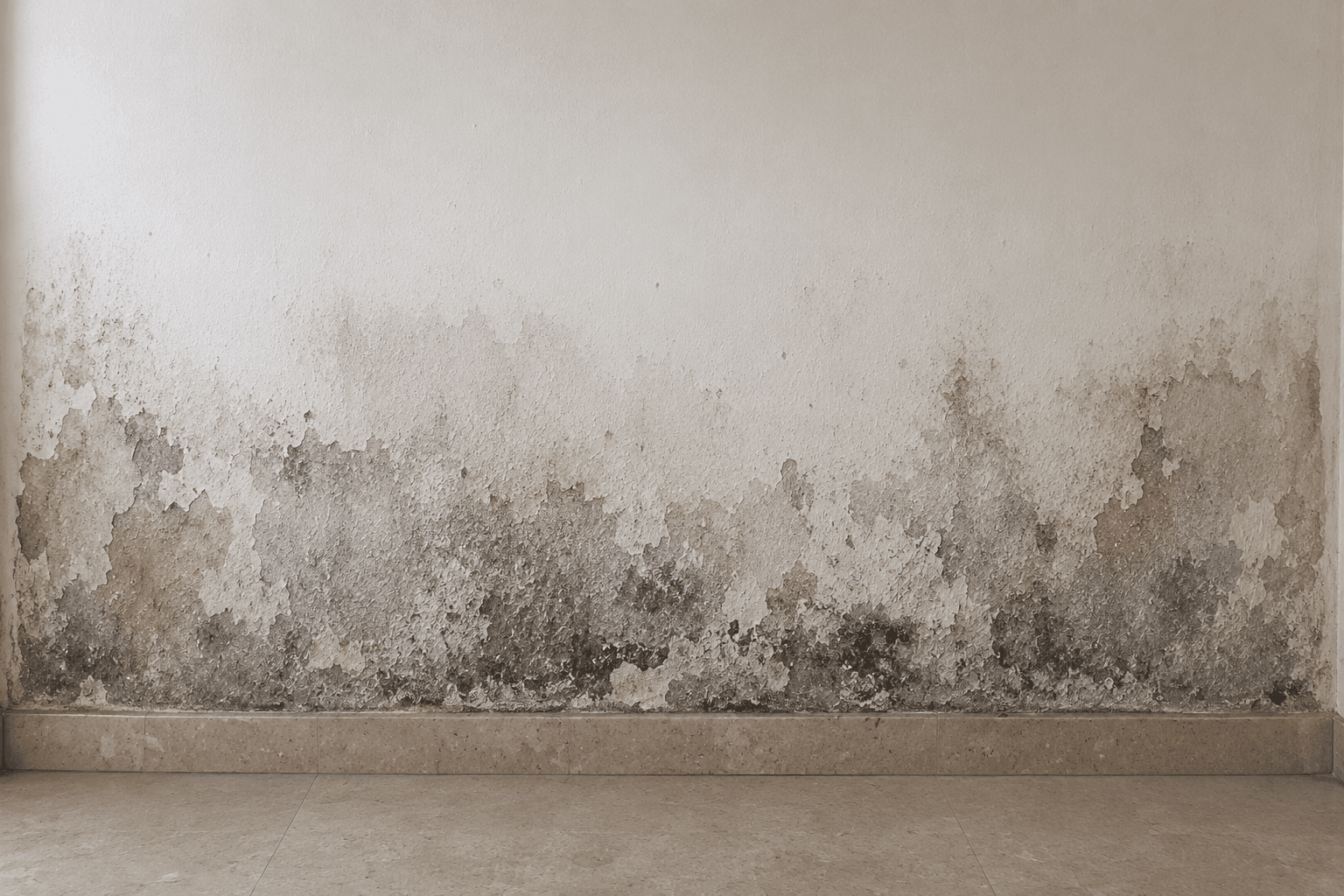
What damp is costing your home
+20–30%
Higher heating bills
Damp masonry loses its thermal insulation. You end up paying to heat a cold space that cannot retain warmth.
Higher risk
Allergies and asthma
Mould in damp environments releases spores that damage the respiratory tract, especially in children.
−40%
Loss of property value
Damp degrades the structure. Banks and buyers can easily identify it during property surveys.
WetBRICK® — a German-patented technology that stops damp permanently.
We drill a series of small holes at the base of the wall — either in a single line or in a cross-grid pattern across the entire area. We then inject a polymer gel to create a permanent moisture barrier within the masonry, whether the damp is rising from the base or penetrating from the side. We can even treat masonry below ground level — such as in cellars — where other injection methods fail. No demolition, no moving out, and no need for subsequent façade repairs.
More about the technology10-year warranty
In combination with Epasit®
1–3 days for implementation
Per 100 m² of masonry
No demolition
No moving out, no dust
German technology
Patented process
What you gain
- Dry walls — permanently, not just for the first season.
- Lower bills — because dry masonry insulates.
- A healthier home — free of mould, allergens and odour.
What type of damp do you likely have?
5 questions. 2 minutes. No registration. You will receive a preliminary diagnosis and a recommended course of action.
Comparison of damp-proofing methods
Five main methods, seven criteria. WetBRICK® is not always the cheapest — but in most cases, it is the best investment for a long-term result.
| RecommendedWetBRICK® gel | Chemical injection | Wall sawing | Electro-osmosis | Repainting | |
|---|---|---|---|---|---|
| Durability | Yes | Partially | Yes | No | No |
| Very damp masonry (>80%) | Yes | Partially | Yes | No | No |
| Suitable for heritage buildings | Yes | Partially | No | Partially | Partially |
| No impact on structural integrity | Yes | Yes | No | Yes | Yes |
| Project duration per 100 m² | 1–3 days | 1–3 days | 5–10 days | — | 1 day |
| Warranty | 10 years | 5 years | 10 years | < 5 years | — |
| Indicative price | €€€ | €€ | €€€€ | €€ | € |
These values are indicative. The final choice of method will be confirmed only after on-site damp measurements. On the other hand, for a very limited budget, a cheaper method with a shorter lifespan may be sufficient short-term — however, for a long-term result we recommend WetBRICK®.
Seeing is believing

Project Map
A selection from more than 500 projects in Czechia, Slovakia, and other EU countries.
- Bautechnology projects
- 100 largest European cities
Prague
CZ
Brno
CZ
Nymburk
CZ
Ústí nad Labem
CZ
České Budějovice
CZ
Dresden
DE
Leipzig
DE
Berlin
DE
Venice
IT
Amsterdam
NL
Gdańsk
PL
Bratislava
SK
Žilina
SK
Košice
SK
Vienna
AT
Budapest
HU
Maribor
SI
Antwerp
BE
Rotterdam
NL
Poznań
PL
Kraków
PL
Linz
AT
Split
HR
Paris
FR
500+ projects · 12 EU countries · 10 years of experience
Completed projects
A selection of reference projects. The full list is available upon request.
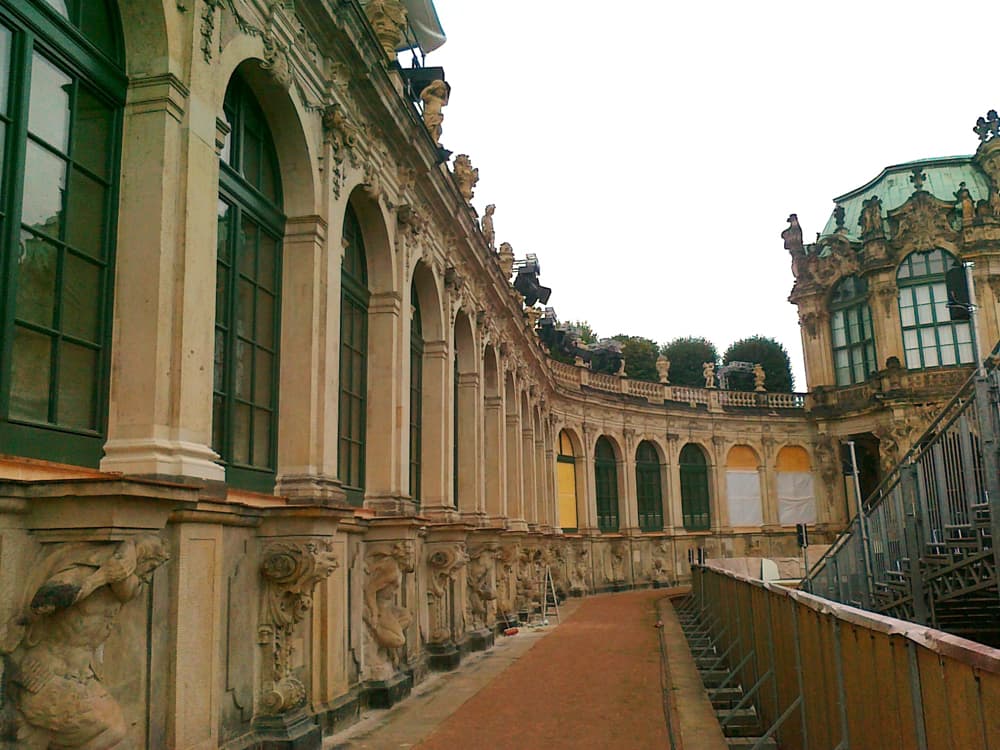 Historic buildings
Zwinger
 Historic buildings
Bratislava Castle
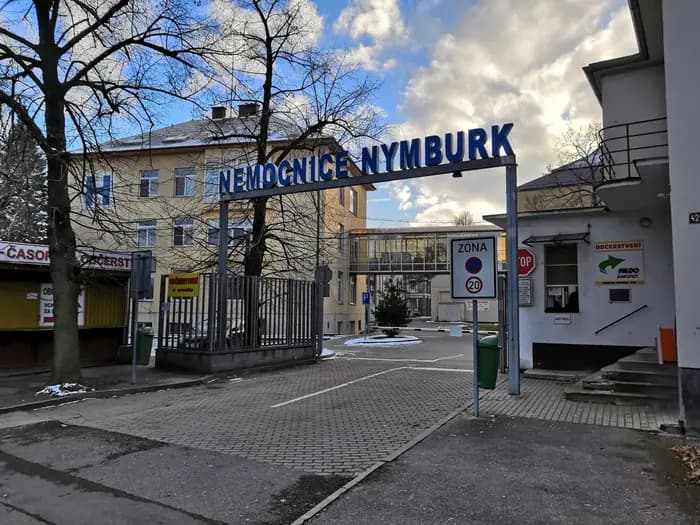 Commercial and industrial
Nymburk Hospital
 Apartment buildings
Apartment building, Prague 1
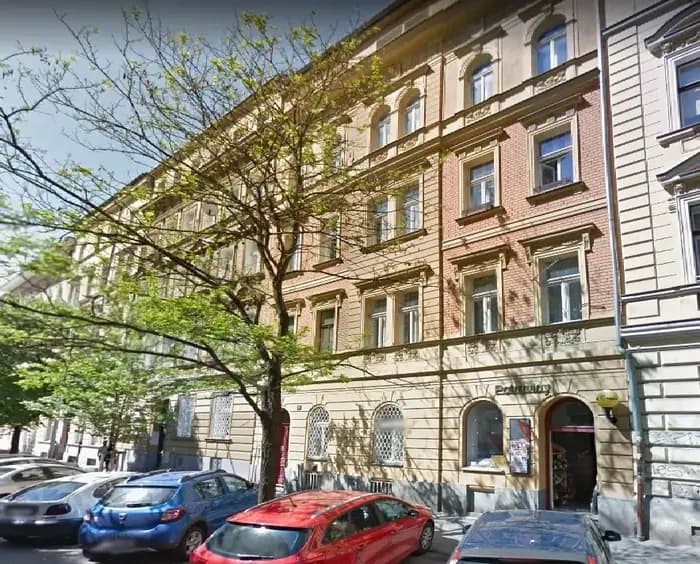 Apartment buildings
Apartment building, Prague 2
 Apartment buildings
Apartment building, Prague 3
Get a free, no-obligation consultation within 24 hours
Our technician will contact you with a proposed plan and an indicative price. Free and without obligation.
- About the building
- The problem
- Contact
Frequently Asked Questions
Everything you need to know about damp in masonry — and what you can do about it. Short questions. Direct answers.
What is rising damp and how does it occur?
Rising damp is water from the subsoil that climbs up through the capillaries of porous masonry — much like water in a sponge. It occurs when the horizontal damp-proof course at the base of the wall is missing, damaged, or worn out; a typical problem in older buildings constructed before modern standards. In standard brick masonry, it usually rises 50–150 cm, and in stone or mixed masonry, it can exceed 2 m, depending on the porosity of the material and the height of the capillary rise.
It is recognised by three typical signs: a horizontal "line" of damp parallel to the floor, white salt efflorescence on the surface (nitrates, chlorides, and sulphates dissolved in the ground), and seasonal variation — more pronounced in winter when water does not evaporate, and less visible in summer. The salts crystallise as the water evaporates and gradually break down the plaster from within, meaning that merely repainting hides the problem but does not stop it.
Did this answer help you?What is condensation damp and when does it occur?
Condensation damp forms inside the room, not within the masonry. Warm air holds a certain amount of water vapour; when it hits a surface with a temperature below the dew point (typically a cold corner, a window reveal, or a thermal bridge), the vapour condenses into water. There are three key factors: indoor vapour production (showering, cooking, drying laundry, breath of occupants), insufficient ventilation, and cold surfaces caused by poor thermal insulation or an unheated room.
Characteristic symptoms include: mould in corners and around windows, droplets on glass, wet spots on external walls in winter, and indoor humidity constantly above 65%. In this case, the water does not come from the ground or the façade — it forms directly inside the house, so the solution lies in better ventilation, reducing vapour production, and increasing surface temperatures (insulation, heating).
Did this answer help you?What is hydrostatic (structural) damp?
Hydrostatic damp is water acting on the masonry under hydrostatic pressure — typically in basements and cellars below ground level, where the walls separate the interior from damp soil or reach below the water table. Water in the ground presses on the walls and floor of the basement and penetrates through the smallest cracks, construction joints and even the very structure of the concrete or masonry, if these are not waterproofed against pressurised water.
Symptoms: localised wet patches at any height (unlike the horizontal line of rising damp), drips or rivulets of water running down the walls, water in corners after heavy rain or in spring during the thaw. The term structural damp is used more broadly for all damp that enters the structure through a building failure — missing drainage, damaged external waterproofing, an unventilated basement. The solution is fundamentally different from rising damp: it requires intervention from the outside (drainage, waterproofing the walls against pressurised water, repairing rainwater downpipes). Injection at the base of the wall on its own will not stop hydrostatic water — it only addresses capillary rise.
Did this answer help you?What is the difference between rising, condensation, hydrostatic and penetrating damp?
They differ in the source of the water and the direction from which it enters the masonry. Rising damp climbs up from below through the capillaries of the masonry, out of the ground. Hydrostatic damp comes in from the side or from below under hydrostatic pressure (typically basements below the water table). Penetrating damp passes through the external wall — rain through a damaged façade, a cracked downpipe, a leaking roof. Condensation damp forms inside the room when damp air condenses on a cold surface.
Each calls for a different solution: rising — a horizontal barrier at the base of the wall (injection, sawing); hydrostatic — external waterproofing and drainage; penetrating — repairing the façade, downpipes or roof; condensation — ventilation, insulation, reducing vapour production. The worst mistake is to confuse the cause and treat the wrong type — the symptom disappears for a few months and the water comes back.
Did this answer help you?How do I tell which type of damp I have?
Three quick signals: the line of the damp (horizontal = rising, localised = penetrating), white efflorescence (a strong sign of rising damp), mould in corners around windows (a strong sign of condensation). When in doubt, take our short quiz or have the damp measured on site.
Did this answer help you?What is salt efflorescence and why does it matter?
Salt from beneath the foundations rises with the water and crystallises on the surface as the water evaporates. Efflorescence is a diagnostic signal — if you can see it, the water really is moving through that wall. The salt also damages the plaster from within; merely repainting hides the problem but does not solve it.
Did this answer help you?How quickly does damp masonry become a health problem?
Mould starts to grow when the plaster damp is above 70%, within 24–72 hours. The spores released into the air are allergens. In people with asthma or in small children, symptoms can appear within a few weeks. A damp wall is never just a cosmetic problem.
Did this answer help you?Why does damp masonry raise heating bills?
Dry brick has 5–10 times better thermal insulation than damp brick of the same thickness. The water in the pores conducts heat outwards. Buildings with an extensively damp basement typically use 20–30% more heating than the same buildings when dry.
Did this answer help you?Can I repair damp masonry myself?
Surface symptoms (efflorescence, mould) can be handled with cleaning and an anti-mould coating. The cause — water in the capillaries of the masonry — is not addressed by any coating or plaster. If you do not stop the source of the water, the damp returns within a few months. A permanent solution requires technology (WetBRICK® gel injection, for example, works for the long term).
Did this answer help you?Does ventilation help with damp masonry?
It helps with condensation (humidity in the air). With rising damp it does not help at all — the water does not come from the air, it comes from the ground. Ventilation can only make the cold feel worse, because dry masonry would insulate better.
Did this answer help you?
Contact
Call or write to us — we reply within 24 hours on working days.
- Telefon
- +420 724 878 800
Monday – Friday: 9:00 – 17:00
Expert collaboration
doc. Ing. Pavel Svoboda, CSc.
Registered office
Hartigova 1913/120, Žižkov, 130 00 Praha 3Operations site
Hala 169, Pragorent Horní Počernice complexID: 05938147 · VAT: CZ05938147
Instagram: @bautechnologyczsk